
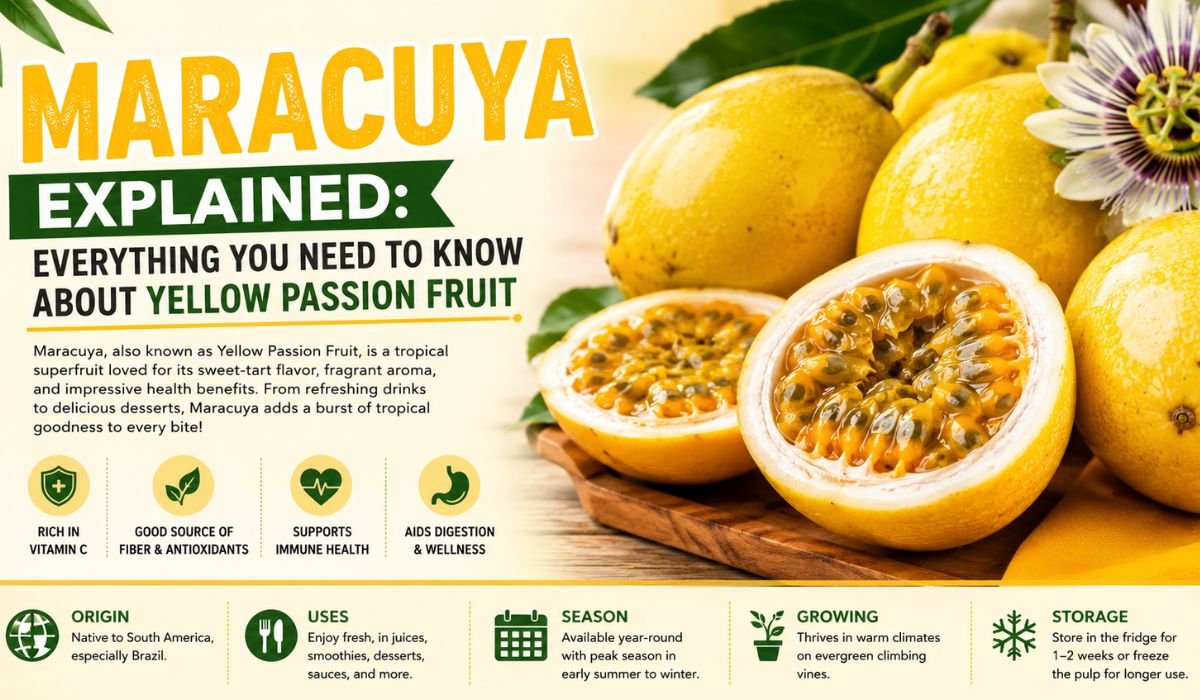
Maracuya is one of the most fascinating tropical fruits in the world. Known as Yellow Passion Fruit, this vibrant fruit is loved for its bright color, refreshing aroma, and unique sweet-tart flavor. While many people are familiar with purple passion fruit, Maracuya offers a different experience with its larger size, juicier pulp, and stronger tropical taste.
Native to South America, Maracuya has become a favorite ingredient in juices, desserts, sauces, and fresh fruit dishes across many tropical and subtropical regions. Beyond its delicious flavor, it is also packed with vitamins, minerals, antioxidants, and fiber, making it a nutritious addition to a healthy diet.
Whether you have seen Maracuya at a local market, tasted it in a tropical drink, or simply want to learn more about this remarkable fruit, this guide covers everything you need to know. From its history and nutritional value to its culinary uses and growing requirements, this article explores every important aspect of Maracuya in a simple and engaging way.
Quick Bio Of Maracuya
| Information | Details |
|---|---|
| Common Name | Maracuya |
| Other Names | Yellow Passion Fruit, Golden Passion Fruit |
| Scientific Name | Passiflora edulis f. flavicarpa |
| Plant Family | Passifloraceae |
| Fruit Type | Tropical Fruit |
| Native Region | South America |
| Main Origin | Brazil |
| Fruit Color | Bright Yellow |
| Shape | Round To Oval |
| Average Weight | 60–90 Grams |
| Flavor | Sweet-Tart And Tropical |
| Aroma | Floral And Fragrant |
| Edible Parts | Pulp And Seeds |
| Peak Season | Summer Through Winter |
| Major Nutrient | Vitamin C |
| Growing Habit | Climbing Vine |
| Popular Beverage Use | Fresh Juice |
| Hawaiian Name | Lilikoi |
| Storage Life | Up To Two Weeks Refrigerated |
| Culinary Uses | Drinks, Desserts, Sauces, Marinades |
What Is Maracuya?
Maracuya is the yellow variety of Passion Fruit and belongs to the Passifloraceae family. Its scientific name is Passiflora edulis f. flavicarpa. The word “Maracuya” is commonly used throughout Latin America, where the fruit has been enjoyed for generations. In many English-speaking countries, it is often referred to as Yellow Passion Fruit or Golden Passion Fruit.
Unlike Purple Passion Fruit, Maracuya is generally larger, heavier, and more acidic. It grows on vigorous climbing vines that produce striking flowers before developing the familiar yellow fruits. These vines thrive in warm climates and can spread rapidly when given proper support.
One reason Maracuya stands out is its versatility. The fruit can be eaten fresh, blended into drinks, transformed into desserts, or incorporated into savory recipes. Its bold flavor makes it one of the most widely used tropical fruits in many cuisines around the world.
The Origin And History Of Maracuya
The story of Maracuya begins in the tropical regions of South America. Most researchers believe the fruit originated in Brazil, particularly within areas surrounding the Amazon Rainforest. For centuries, Indigenous communities cultivated and consumed the fruit long before European explorers arrived in the region.
As trade routes expanded, Maracuya gradually spread throughout Central America and the Caribbean. Spanish missionaries became fascinated by the plant’s unusual flowers and associated them with religious symbolism. Over time, the fruit became integrated into local agriculture and traditional cuisines.
During the twentieth century, Maracuya was introduced to many other tropical regions, including Australia, Hawaii, Southeast Asia, and parts of the United States. Today, it is cultivated commercially across numerous countries and remains one of the most important tropical fruits in global markets.
What Does Maracuya Look Like?
At first glance, Maracuya is easy to recognize because of its bright yellow skin. The fruit typically measures between four and five centimeters in diameter and can reach eight centimeters in length. Its shape ranges from round to slightly oval.
The outer rind is thick, firm, and smooth when freshly harvested. As the fruit matures, the skin gradually becomes wrinkled. Many consumers mistakenly assume wrinkles indicate poor quality, but the opposite is often true. Wrinkled Maracuya usually contains sweeter and more concentrated pulp.
Inside the fruit is a hollow cavity filled with golden-yellow pulp and numerous edible dark seeds. A layer of white pith separates the outer rind from the juicy interior. While the pith is generally not eaten, the seeds and pulp are highly valued for their flavor and texture.
What Does Maracuya Taste Like?
The flavor of Maracuya is one of its most appealing qualities. It offers a balance of sweetness and acidity that creates a refreshing tropical taste. The fruit is often described as a combination of pineapple, citrus, kiwi, melon, and mango.
Unlike many sweet tropical fruits, Maracuya has a vibrant tartness that keeps it from feeling overly sugary. This characteristic makes it especially popular in beverages and desserts where a bright flavor profile is desired.
Its texture is equally unique. The pulp has a smooth, jelly-like consistency, while the seeds provide a pleasant crunch. Together, these elements create an enjoyable eating experience that is unlike almost any other fruit.
Nutritional Value Of Maracuya
Maracuya is not only delicious but also highly nutritious. One of its greatest strengths is its impressive concentration of Vitamin C, which supports immune health and helps protect cells from oxidative stress.
The fruit also provides Vitamin A through beta-carotene, a compound that supports healthy vision and skin. Potassium contributes to normal muscle function and fluid balance, while calcium helps maintain strong bones and teeth.
In addition, Maracuya contains iron, phosphorus, riboflavin, niacin, and small amounts of several other essential nutrients. The fruit is naturally low in fat and contains beneficial dietary fiber that supports digestive health.
Health Benefits Of Maracuya
Many people enjoy Maracuya for its flavor, but its health benefits are equally impressive. The combination of vitamins, minerals, antioxidants, and fiber makes it a valuable part of a balanced diet.
Vitamin C plays an important role in supporting the immune system and helping the body produce collagen. This nutrient contributes to healthy skin, blood vessels, and connective tissues. Regular consumption of Vitamin C-rich foods may also help protect cells from free radical damage.
The fiber found in Maracuya supports digestive health by promoting regular bowel movements and helping beneficial gut bacteria thrive. Fiber can also contribute to feelings of fullness, which may support healthy eating habits.
Potassium is another valuable nutrient present in Maracuya. This mineral helps regulate fluid balance, supports nerve function, and contributes to normal blood pressure management. Combined with the fruit’s antioxidant content, potassium makes Maracuya a heart-friendly dietary choice.
Beta-carotene and other antioxidants help protect cells from oxidative stress caused by environmental factors and normal metabolic processes. These compounds are often associated with overall wellness and healthy aging.
Another benefit that is often overlooked is hydration. Maracuya contains a significant amount of water, making it a refreshing fruit choice, especially in warm climates where maintaining hydration is important.
The fruit’s naturally bright flavor also encourages people to consume more fresh fruits rather than highly processed snacks or sugary desserts. This simple substitution can positively impact overall dietary quality and nutritional intake.
How To Choose, Ripen, And Store Maracuya
Choosing a good Maracuya is easier once you know what to look for. The best fruits feel heavy for their size because they contain more juice and pulp. A ripe Maracuya usually has a strong tropical fragrance and slightly wrinkled skin. While smooth fruits are not necessarily bad, they are often less mature and may need a few more days to develop their full flavor.
When bringing Maracuya home, allow firm fruits to ripen at room temperature. As they mature, the skin gradually wrinkles and the pulp becomes sweeter and more aromatic. Many experienced fruit lovers actually prefer deeply wrinkled Maracuyas because the flavors become more concentrated during the final stages of ripening.
For storage, ripe Maracuya can remain at room temperature for several days. Refrigeration can extend freshness for one to two weeks. If you have extra fruit, the pulp can be scooped out and frozen in airtight containers for several months without losing much of its flavor. This makes it easy to enjoy the fruit long after the harvest season has ended.
How To Eat Maracuya
One of the best things about Maracuya is how simple it is to enjoy. After washing the fruit, cut it in half with a sharp knife. Inside, you will find a cavity filled with bright golden pulp and edible seeds. Simply scoop the contents out with a spoon and eat them directly.
Many first-time eaters wonder whether the seeds should be removed. The answer is no. The seeds are completely edible and provide a pleasant crunch that complements the soft pulp. In fact, many people consider the combination of juicy pulp and crunchy seeds to be one of the fruit’s most enjoyable characteristics.
Because Maracuya naturally has a tart flavor, some people like to sprinkle a small amount of sugar or drizzle honey over the pulp. Others mix it with yogurt, cream, or smoothies to create a sweeter and creamier experience. No matter how it is served, the fruit delivers a refreshing burst of tropical flavor.
Popular Culinary Uses For Maracuya
Maracuya is one of the most versatile tropical fruits in the culinary world. Its sweet-tart taste makes it suitable for both simple and sophisticated recipes. Across Latin America, fresh Maracuya juice remains one of the most popular ways to enjoy the fruit. The pulp is blended with water and sweetener to create a refreshing beverage that highlights its natural aroma.
In the dessert world, Maracuya is equally beloved. Its vibrant flavor pairs beautifully with cheesecakes, mousses, puddings, ice creams, parfaits, and cakes. The fruit adds brightness and acidity that balance rich ingredients, preventing desserts from becoming overly sweet.
Chefs also use Maracuya to create syrups, jams, jellies, and dessert sauces. The fruit’s natural acidity helps preserve flavor while creating a distinctive tropical character. In recent years, Maracuya has become increasingly popular in modern pastry kitchens where unique fruit flavors are highly valued.
Beyond desserts, Maracuya works surprisingly well in savory dishes. Its acidity makes it an excellent ingredient for marinades used with chicken, seafood, and pork. Some South American recipes even incorporate Maracuya into ceviche, where the fruit’s tangy profile complements fresh fish and citrus.
Foods That Pair Well With Maracuya
The flavor of Maracuya pairs naturally with many ingredients, which explains its popularity among chefs and home cooks alike. Tropical fruits such as mango, pineapple, banana, and coconut complement its bright acidity while enhancing its exotic character.
Sweet ingredients also work exceptionally well. Honey, vanilla, white chocolate, and dark chocolate create balanced flavor combinations that highlight different aspects of the fruit. Chocolate, in particular, contrasts beautifully with Maracuya’s tartness, creating desserts that feel rich yet refreshing.
Herbs provide another exciting pairing opportunity. Mint brings freshness, rosemary adds complexity, and cilantro introduces a unique savory element. These combinations are often found in contemporary recipes that blend sweet and savory flavors in creative ways.
Maracuya Vs Purple Passion Fruit
Although both fruits belong to the same species, important differences exist between Maracuya and Purple Passion Fruit. The most obvious distinction is appearance. Maracuya has bright yellow skin and is generally larger, while Purple Passion Fruit features a smaller size and deep purple exterior.
Flavor is another major difference. Maracuya tends to be more acidic and aromatic, making it especially suitable for juices and beverages. Purple Passion Fruit is often sweeter and less tart, which makes it popular for fresh eating.
Commercial growers frequently favor Maracuya because of its larger size and higher juice yield. The fruit’s productivity and vigorous growth also contribute to its popularity in tropical agricultural regions. For consumers, the choice often comes down to personal preference, with some favoring the sweeter purple variety and others preferring the bold tropical flavor of Maracuya.
How Maracuya Is Used Around The World
Maracuya plays an important role in many cultures and cuisines. Throughout South America, it is commonly used in fresh juices, frozen desserts, cakes, and sauces. In countries such as Colombia, Peru, Ecuador, and Brazil, the fruit is a familiar part of everyday life.
In Hawaii, Maracuya is known as Lilikoi. The fruit has become deeply integrated into Hawaiian food culture and appears in everything from syrups and pastries to shaved ice and ice cream. Many visitors associate Lilikoi flavor with the islands themselves.
Across the Caribbean, Maracuya is used in beverages, tropical cocktails, fruit punches, and spicy sauces. In Jamaica, cultural traditions have even linked the fruit to stories about emotions and romance. Meanwhile, throughout Southeast Asia, the fruit continues to gain popularity as consumers seek flavorful and nutritious tropical foods.
Can You Grow Maracuya At Home?
Growing Maracuya can be highly rewarding for gardeners living in warm climates. The plant is a vigorous climbing vine that thrives in full sunlight and well-drained soil. Given proper support, the vines can grow rapidly and produce abundant fruit.
Regular watering is important, especially during dry periods. However, excessive moisture should be avoided because overly wet soil can contribute to root problems. Balanced fertilization encourages healthy growth, flowering, and fruit production throughout the growing season.
One of the most attractive features of the plant is its remarkable flower. Passion flowers are among the most striking blooms in the plant kingdom and often attract pollinators such as bees and butterflies. After successful pollination, fruits gradually develop and mature over several months.
Harvesting Maracuya is relatively simple. Mature fruits often fall naturally from the vine when ready. Gardeners can also pick fruits that have developed full color and allow them to finish ripening indoors. With proper care, a healthy vine can provide a generous harvest year after year.
Conclusion
Maracuya is much more than just another tropical fruit. Its fascinating history, vibrant flavor, impressive nutritional profile, and remarkable versatility have earned it a place among the world’s most beloved fruits. From its origins in South America to its popularity across tropical regions worldwide, Maracuya continues to delight people with its refreshing taste and countless culinary possibilities.
Whether enjoyed fresh from the fruit, blended into juice, incorporated into desserts, or used in savory recipes, Maracuya offers a unique eating experience that combines sweetness, acidity, aroma, and texture. Its abundance of Vitamin C, antioxidants, and fiber adds even more value, making it both delicious and nutritious.
As interest in tropical fruits continues to grow in 2026, Maracuya remains a standout choice for anyone looking to explore new flavors, improve their diet, or simply enjoy one of nature’s most distinctive fruits. Once you experience its bright tropical character, it is easy to understand why Maracuya has captured the attention of fruit lovers around the globe.
FAQs About Maracuya
Is Maracuya The Same As Passion Fruit?
Maracuya is a type of Passion Fruit. Specifically, it refers to the yellow variety known as Yellow Passion Fruit or Golden Passion Fruit. While all Maracuya are Passion Fruit, not all Passion Fruit are Maracuya because other varieties, including Purple Passion Fruit, also exist.
Can You Eat Maracuya Seeds?
Yes, the seeds are completely edible. They provide a pleasant crunch and are commonly eaten along with the juicy pulp. Most people consume the seeds without any preparation or removal.
Why Does Maracuya Become Wrinkled?
Wrinkling is a natural sign of ripening. As moisture gradually leaves the rind, the skin contracts and wrinkles. In many cases, wrinkled Maracuya contains sweeter and more flavorful pulp than perfectly smooth fruit.
Is Maracuya Good For You?
Maracuya is considered a nutritious fruit because it provides Vitamin C, Vitamin A, potassium, antioxidants, and dietary fiber. These nutrients support immune function, digestion, heart health, and overall wellness.
How Long Does Maracuya Last?
Fresh Maracuya can remain at room temperature for several days. Refrigerated fruits often stay fresh for one to two weeks. Frozen pulp can maintain good quality for several months when stored properly.
What Is The Difference Between Maracuya And Granadilla?
Although both fruits belong to the Passion Flower family, they are different species. Maracuya is larger, more acidic, and bright yellow, while Granadilla is generally sweeter, milder, and often has an orange-yellow shell.
Can Maracuya Be Frozen?
Yes, Maracuya freezes very well. Many people remove the pulp and store it in airtight containers or freezer-safe bags. Frozen pulp can later be used in smoothies, juices, desserts, and sauces.
What Does Maracuya Taste Like?
Maracuya has a sweet-tart tropical flavor that combines notes of pineapple, citrus, kiwi, melon, and mango. Its aroma is highly fragrant, and its juicy pulp creates a refreshing eating experience that is unlike most other fruits.
Recommended For You: Is MissAV Safe In 2026? Everything You Need To Know Before Visiting
